
SEND Information for Parents
Our Inclusion Team
|
|
|
|
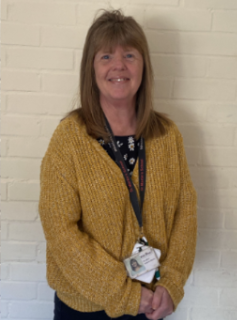
Mrs Biles SEMH Champion, ELCA and Thrive Practitioner |
Mrs Godwin Special Educational Needs and Disabilities Coordinator |

Vale View Primary School is a fully inclusive school. We aim to provide an environment where all pupils can fully access a broad and balanced curriculum and fully participate in all the activities of the school, irrespective of ability, disability, race, gender, ethnicity and social origin.
Special Educational Needs and Disabilities Coordinator (SENDCO)
Our SENDCo is Mrs Godwin.
When a pupil is identified as having a special educational need they will be entered onto our SEN Register, this ensures their additional provision can be monitored and reviewed regularly. Along with monitoring provision and tracking pupils' progress, our SENDCo supports Class Teachers to ensure that strategies are in place to enable pupils to progress and reach their full potential. Sometimes it is necessary to involve specialist help in either identifying or supporting pupils, whose needs, despite the consistent and thorough support offered by the school, continue to make little or no progress over a sustained period of time.
Mrs Godwin liaises with outside agencies and talks about children’s learning needs and how we can best support pupils in school. Support could be either by introducing effective teaching approaches specific to the level and area of identified need, appropriate equipment, strategies and interventions. Throughout all of these processes, parents are also supported to ensure that they are aware of targeted provisions and support offered by the school, the work of external agencies involved with their child, and where necessary deciding on the next steps that we will take together, to ensure that their child makes great progress.
SEMH Champions
Social, Emotional and Mental Health (SEMH) Champions are identified adults in schools who have completed the SEMH Champions programme. Children, for whatever reason, may encounter difficult life circumstances such as bereavement, family separation or low self-esteem. We are able to offer 1-1 ‘talk time’ or small group work using cognitive behavioural approaches to support our children’s emotional needs and well-being. We can liaise with other agencies and schools to ensure the best outcomes for our children.
Our SEMH Champion is Mrs Biles.
The Thrive Approach
The Thrive approach is the early identification of emotional developmental needs in children. When you address emotional developmental needs, it builds a child’s resilience and supports children to engage in learning. The Thrive approach sets out the age-appropriate developmental tasks of children. This knowledge can be used to shape provision to make the best use of learning. This enhances their emotional and social skills, improves their emotional well-being and develops their emotional literacy.
Our Thrive Practitioner is Mrs Biles.

Speech, Language and Communication Needs (SLCN)
Speech, Language and Communication are important for:
- Reading
- Learning
- Making friends
- Understanding and controlling emotions or feelings.
Every child or young person with SLCN needs is different and may have difficulty with one, some or all of the different aspects of SLC at different times of their lives. With the right support at the right time, children and young people with SLCN can thrive.
In Kent, SLCN is the most common need in primary schools, and the second most common need in secondary schools.
Useful links and documents:
Please Click Here To Visit KCC SEN Advice and Support
Lottie our Therapy Dog

Lottie is the newest member of our inclusion team. The value of pet ‘therapy’ is widely accepted as a powerful aid to stimulation and communication. Studies have shown that the presence of companion animals can improve the well-being of children and lower the rate of anxiety simply by making the environment happier, more enjoyable and less forbidding. There are also benefits seen in pupils’ willingness to learn and participate and increased positive social interactions and behaviour through a shared responsibility. Well-being ‘school-based’ dogs offer a variety of benefits to pupils, including improved emotional well-being, enhanced social skills, and increased academic motivation. They can help reduce stress and anxiety, foster empathy and responsibility, and even improve reading skills. In addition to this, pupils will benefit in the following areas:
Improved Emotional Well-being:
- Reduced Stress and Anxiety: Interacting with PAT dogs can lower cortisol levels (the stress hormone) and increase oxytocin (the feel-good hormone), leading to a calming effect and reduced anxiety.
- Increased Happiness and Mood: The presence of a PAT dog can create a more positive and enjoyable environment, improving overall mood and fostering a sense of well-being.
- Greater Sense of Security and Comfort: For some pupils, especially those with anxiety or emotional difficulties, the presence of a PAT dog can provide a sense of security and comfort, making them feel safer and more relaxed.
Enhanced Social Skills:
- Increased Social Interaction: PAT dogs can act as icebreakers, encouraging students to interact with each other and build relationships.
- Improved Communication Skills: Interacting with a dog can help pupils develop their communication skills, including learning to express their feelings and understand social cues.
- Development of Empathy and Compassion: Pupils can learn to understand and respond to the needs of the dog, which can translate into greater empathy and compassion towards others.
Increased Academic Motivation and Performance:
- Improved Reading Skills: Studies have shown that therapy dogs can improve reading fluency and motivation, as pupils may feel less pressure reading to a dog than to a teacher or peer.
- Enhanced Executive Functioning Skills: Working with PAT dogs can stimulate memory, problem-solving skills, and attention span, all of which are important for academic success.
- Increased Motivation to Learn: The presence of a PAT dog can create a more positive and engaging learning environment, making pupils more motivated to participate in class and complete tasks.
Other Benefits:
- Reduced Absenteeism: Pupils may be more likely to attend school when they know they will have the opportunity to interact with a PAT dog.
- Improved Behavior: In some cases, therapy dogs have been shown to reduce aggressive behaviour and improve overall behaviour in the classroom.
- Stronger Teacher-Student Relationships: Interacting with a PAT dog can create a positive and relaxed atmosphere, fostering better relationships between teachers and students.
The rationale behind our work with Lottie and her owner Teresa, has been to have a pet that the children could interact with, and look forward to spending time with and which would also benefit the children’s social and emotional development.
Prior to working with Lottie and Teresa, Lottie completed her training as a Therapy Dog, which ensured that her temperament was suitable for interaction with children. She then came to visit the school to be introduced to the children gradually. There are no diseases that could be caught from Lottie as she is kept up to date with immunisations including rabies and her worming treatment is in line with European vet guidelines. A register of her annual health check is kept both by Teresa and is seen by the school. Lottie is also insured with Many Pets Insurance.
It is accepted that interacting with animals is not appropriate for all children but that for some it has the potential to provide many positive benefits.
Our risk assessment and rules for conduct and behaviour with Lottie are available below
If you would like to discuss your child’s Special Educational Needs, please click here to contact the school office and make an appointment with a member of the inclusion team.
As a school, we can access a range of services and multidisciplinary professionals through the Communities of Schools model.
Kent also provides a range of services which are called the local Offer. These services are available by accessing the Kent website. Kent's local offer is all about making it easier for people to find out about services available to 0-25-year-olds with special educational needs and disabilities:
Click here to visit KCC SEN Support Page.
The admission arrangements for pupils without an Education, Health and Care Plan do not discriminate against or disadvantage disabled children or those with special educational needs.
Sensory Circuits
At Vale View a sensory circuit group runs daily. The purpose of the circuit is to alert the child’s brain and enable them to engage in their learning more effectively in the classroom.
It has been working very successfully in our school over the past 2 years and is often recommended by Occupational Therapists to help children concentrate in school. It consists of a series of exercises involving tasks such as bouncing, balancing, spinning and ball skills. The circuit is delivered as a whole class model that all children can access.
The first activity is designed to wake up the brain, followed by some type of organisational task and finishes with a calming activity. The activities are changed each term and children help decide which ones to do.